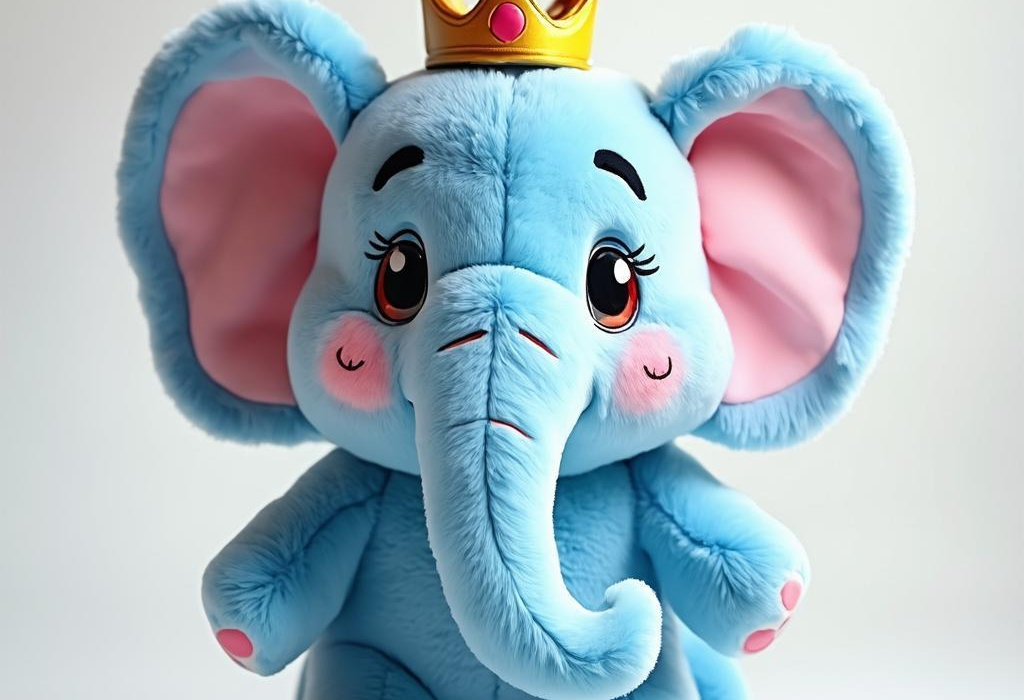
Focus keyword: audit chinese plush toy oem factory
Skip the brochure tour. A meaningful audit of a Chinese plush toy OEM factory answers one question: can this factory consistently build my product to spec, on time, within safety limits? Everything else is decoration. Here is the checklist to run in person or via a third-party audit firm.
The audit has four legs — quality systems, materials, production capability and compliance documentation. Skimp on any one and you are buying trust you have not verified. Work through them in order and keep written evidence of each finding; the audit report becomes your leverage in every negotiation that follows.
1. Quality systems and process control
Ask how the factory records quality. A real OEM partner tracks incoming material inspection, in-process checks and final inspection with defined pass/fail criteria, and keeps defect data by lot. Look for a documented CAPA (corrective and preventive action) process — factories that fix problems in writing are the ones that do not repeat them.
A factory with mature process control is the mark of a reliable custom stuffed animal manufacture service.
2. Materials: fibers, fillings and safety chemicals
Demand traceability on every material: fabrics, polyester filling, eyes, noses and thread. Request the suppliers for each and the certifications behind them — especially the lab reports for lead, phthalates and flammability that U.S. and EU buyers require. If the factory cannot name the fiber grade and the filling’s origin for your design, treat it as a disclosure failure, not a misunderstanding.
See what a compliant production line can deliver in their plushtoy collection.
3. Production capability and capacity planning
Push past the showroom. Ask about machine capacity, stitching and embroidery capability, tooling lead time for plastic eyes and accessories, and how they handle seasonal spikes. A factory near capacity in the pre-holiday peak will cut corners or miss your deadline. Confirm which steps are in-house and which are subcontracted — a subcontractor you have not audited is an unseen risk.
Learn how a toy goes from sketch to factory through the custom bear plush manufacturing process.
4. Compliance documentation you must hold
Before you sign, hold a full compliance file: current factory and export licenses, third-party lab test reports for each standard you ship to, and tested-product attribute records tied to your SKUs. Confirm the factory can update these per revised standards — the 2026 U.S. toy safety updates are a fresh reason to verify this now. Ask also about their social-compliance posture; a factory that welcomes scrutiny is usually the one that passes it.
Discuss your requirements and get a contract lead through the plush toy factory contact page.
 EN
EN  AR
AR  DE
DE  ES
ES  FR
FR  IT
IT  RU
RU  PL
PL  CS
CS  NL
NL  FI
FI  HU
HU
Leave a Message
Have questions about this article? Leave us a message and our team will get back to you.