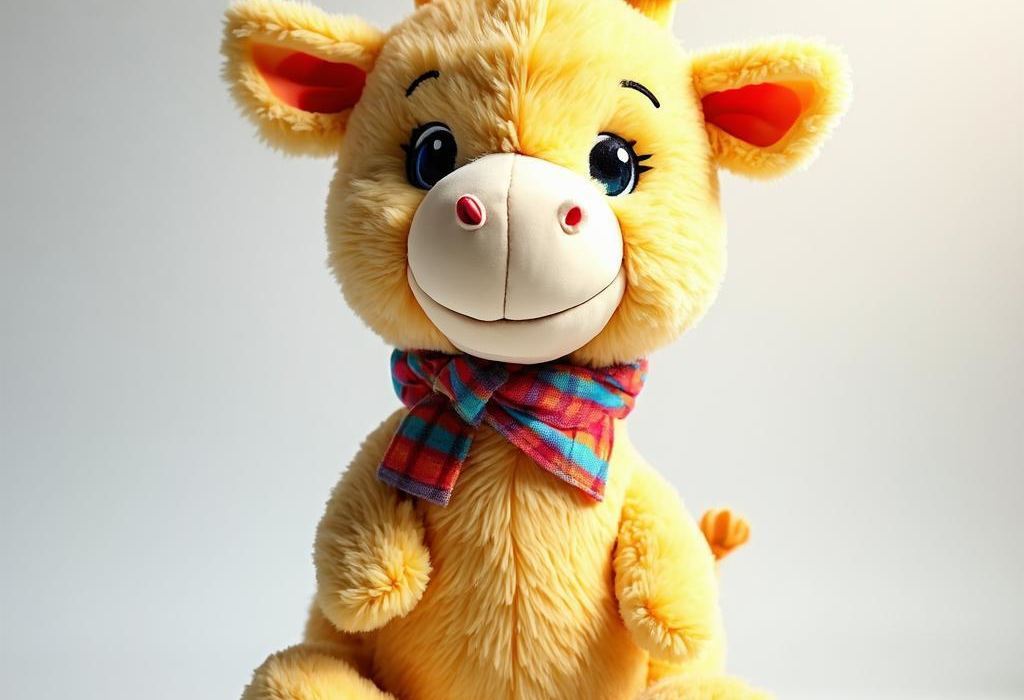
Focus keyword: us toy safety standards 2026 plush toys importer
A round of small-print rule changes in 2025 becomes a hard compliance cliff on January 1, 2026 — and for importers of plush toys, the cost of missing it is measured in seized shipments, not fines.
The U.S. Consumer Product Safety Commission (CPSC) continues to tighten enforcement around the Consumer Product Safety Improvement Act (CPSIA) and the ASTM F963 voluntary standard that now carries regulatory weight. For soft toys, the pressure points are lead and phthalate limits, flammability, small-part and choking-hazard testing, and — increasingly — the new labelling and third-party testing documentation that must travel with every container. The 2026 updates sharpen these duties rather than relax them: importers who treated compliance as a one-time certificate are being asked to prove ongoing conformity batch by batch.
Where the 2026 rules bite hardest
The sharpest change for plush toy importers is the tightened documentation chain. A single certificate of conformity is no longer enough; CPSC expects a tested-product attribute record from an accredited lab, tied to the exact SKU and factory lot. Failures that once triggered a recall now start with a shipment held at the port while documentation is verified. That delay — not the fine — is what most importers underestimate.
To understand how compliant production is built in practice, start with a reputable custom plush toy manufacturer.
Flammability and small parts: the quiet repeat offenders
Flammability requirements for soft toys and the small-parts cylinder test for eyes, noses and decorative components remain the most common failure reasons in U.S. customs checks. Plush fabrics, fillings and trim must meet specific burn-rate limits, and every removable or detachable eye under a given dimension fails the cylinder test outright. Importers should request flammability test reports and small-parts compliance on every new design before committing to tooling — because a failed component at the port is a full redesign, not a quick fix.
Browse safety-tested constructions across their plush toy product range. A well-documented manufacturer partner can be reviewed via their soft toy manufacturer about page.
What importers should do before the 2026 deadline
Treat the January 2026 window as a hard deadline, not a guideline. Confirm your factory holds current, accredited third-party testing for every SKU; build the tested-product attribute record into your import documentation; and audit labelling and small-part compliance on any new design. The importers who act early will clear ports smoothly; those who wait will be the ones explaining detained containers to their customers.
Reach out directly to a compliance-aware partner through the stuffed toy manufacturer contact page.
 EN
EN  AR
AR  DE
DE  ES
ES  FR
FR  IT
IT  RU
RU  PL
PL  CS
CS  NL
NL  FI
FI  HU
HU
Leave a Message
Have questions about this article? Leave us a message and our team will get back to you.