How to Choose the Perfect Plush Toy: A Complete Buyer’s Guide
Walking into a store or browsing online, you are immediately confronted with rows upon rows of stuffed animals — different sizes, materials, colors, and price points. How do you know which one is truly worth your money? This complete buyer’s guide will walk you through every critical factor, helping you learn how to choose plush toys that are safe, durable, and genuinely delightful.
Step 1: Prioritize Safety Certifications
The first and most important criterion, especially when choosing safe plush toys for babies, is certification. Reputable manufacturers comply with international standards such as EN71 (European), ASTM F963 (American), and CPSIA (US Consumer Product Safety Improvement Act). These certifications ensure that the toy has been tested for flammability, toxic substances, and mechanical hazards like small detachable parts.
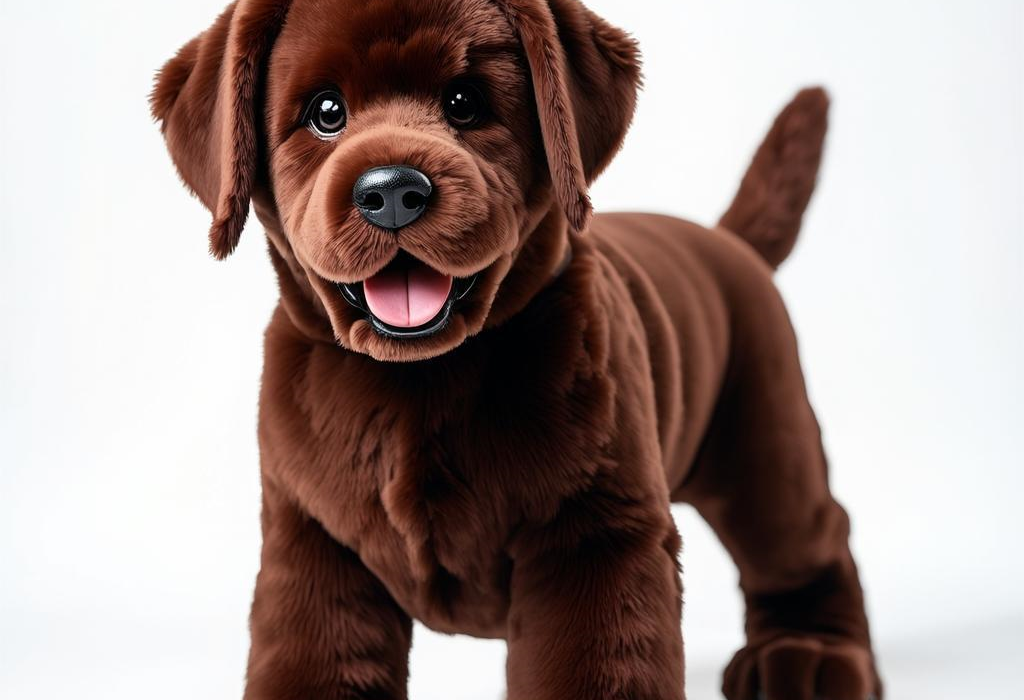
Always check the product description or tag for these markings. For example, the Labrador Chocolate baby-safe plush carries EN71, ASTM, CPSIA, and BSCI certifications, giving parents peace of mind. Avoid unbranded, uncertified plush toys from unknown sellers — they may contain harmful dyes or loose parts that pose choking hazards.
Step 2: Evaluate the Material and Filling
The quality of a plush toy is determined by two main components: the outer fabric and the inner filling.
Outer Fabric: The most common materials are polyester plush (soft and durable), mohair (luxurious but high-maintenance), and cotton (breathable and natural). For everyday use, high-quality polyester plush offers the best balance of softness, durability, and easy cleaning. Look for a dense, even pile that does not shed when gently pulled.
Inner Filling: PP cotton (polypropylene) is the industry standard due to its resilience, hypoallergenic properties, and washability. Some premium toys use weighted beads or memory foam for a more substantial feel. Ensure the filling is evenly distributed and does not clump after squeezing.
Step 3: Consider Age-Appropriate Design
Different age groups have different needs:
Infants (0–12 months): Choose lightweight, small-sized toys with no ribbons, buttons, or plastic eyes. Embroidered facial features are essential. Rattles or crinkle elements inside can provide sensory stimulation.
Toddlers (1–3 years): Slightly larger toys that are easy to grab and hug. Durability is key — toddlers will drag, chew, and throw their companions. Machine-washable designs are a major plus.
Older Children (3+): Can handle toys with more detailed features, accessories, and interactive elements. This is where realistic designs like the Golden Retriever Pup realistic plush shine, encouraging imaginative and educational play.
Adults: Focus on aesthetic appeal, texture quality, and size that fits the intended space (desk, bed, or couch).
Step 4: Assess Construction Quality
A well-made plush toy should have tight, even stitching with no visible gaps, especially around seams and attachment points for limbs. Reinforced stitching at stress points (where arms and legs join the body) significantly extends the toy’s lifespan. Check that the nose and eyes are securely attached — if you can wiggle them with your fingers, they may come loose over time.
Step 5: Think About Size and Purpose
Before buying, ask yourself: Where will this toy live? A 40-inch giant bear is wonderful for a bedroom but impractical for a desk. A keychain-sized plush is portable but may not offer enough cuddle factor. Match the size to the intended use — travel companions should be compact, bedtime buddies should be substantial, and decorative pieces can be any size that fits the space.
Step 6: Check Care Instructions
Plush toys get dirty — that is inevitable. Look for toys that are surface-washable or machine-washable. Some high-quality toys come with removable covers for easy cleaning. Avoid toys that require dry cleaning only, as this adds ongoing cost and inconvenience.
Step 7: Compare Value, Not Just Price
A cheap plush toy that falls apart after a month is a poor investment. A slightly more expensive toy from a reputable manufacturer like the Classic Honey Bear quality plush can last for years, making it the better value. Consider the cost per year of use rather than the upfront price.
Final Checklist
Before you make your purchase, run through this quick checklist: Are safety certifications clearly stated? Is the stitching tight and even? Are eyes and noses securely attached? Does the fur feel soft and non-shedding? Is the filling evenly distributed? Is the size appropriate for the recipient? Are care instructions clear? If you can answer yes to all of these, you have found a plush toy worth buying — one that will bring joy and comfort for years to come.
 ES
ES  EN
EN  AR
AR  DE
DE  FR
FR  IT
IT  RU
RU  PL
PL  CS
CS  NL
NL  FI
FI  HU
HU
Deja un mensaje
¿Tienes alguna pregunta sobre este artículo? Déjanos un mensaje y nuestro equipo se pondrá en contacto contigo.