Softest Plush Toys: A Hands-On Comparison of Materials and Quality
Not all plush toys are created equal. Anyone who has ever squeezed a cheap carnival prize and watched it shed stuffing within minutes knows this truth. But what exactly separates a premium plush toy from a disposable one? In this hands-on comparison, we examine the materials, construction, and overall quality of several top-tier plush toys to help you identify the softest, most durable options on the market. Whether you are shopping for realistic stuffed animals or cuddly companions, understanding these differences will make you a smarter buyer.
Material Showdown: What Makes a Plush Soft?
The softness of a plush toy begins with its outer fabric. Let us break down the most common materials:
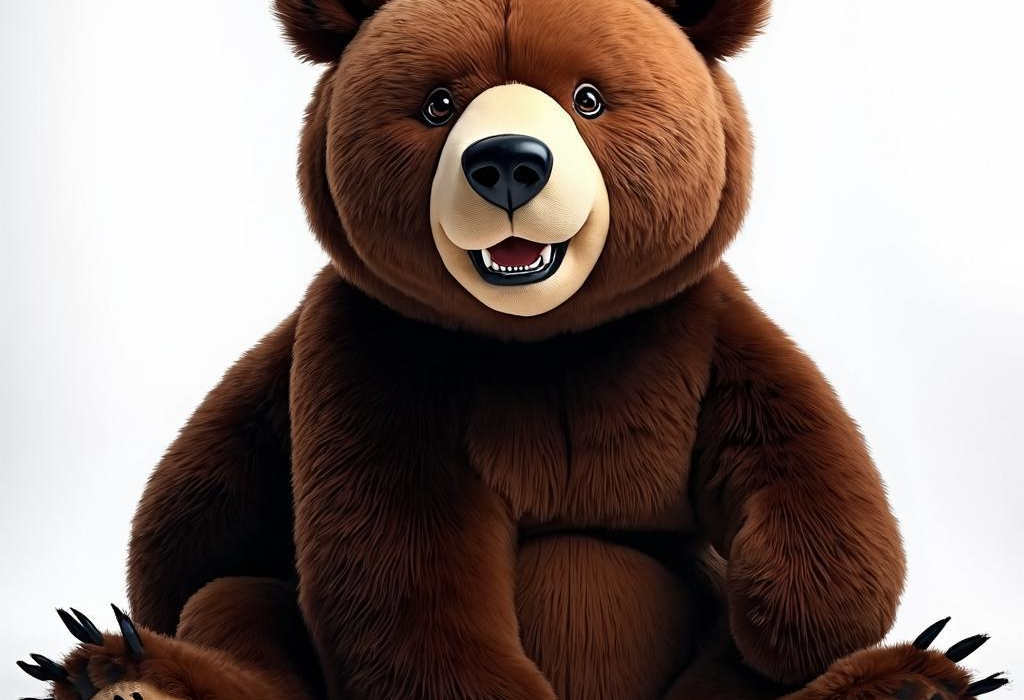
Polyester Plush (Microfiber): This is the gold standard for modern plush toys. High-density polyester microfiber creates an incredibly soft, velvety touch that resists matting and shedding. The Kodiak Bear Giant premium plush uses this material to achieve a luxurious feel that remains soft even after years of handling. Its dense pile means the fur does not flatten easily, maintaining its plush texture over time.
Mohair: Traditionally used in collectible teddy bears, mohair (made from goat hair) has a distinctive, slightly coarse texture that ages beautifully. However, it requires delicate care and is not suitable for young children or rough play.
Cotton Velour: Natural and breathable, cotton velour has a short, dense pile that feels smooth against the skin. It is an excellent choice for baby toys, though it may not be as luxuriously soft as high-quality polyester.
Acrylic Plush: Often found in budget toys, acrylic can feel soft initially but tends to mat, pill, and shed quickly. It is less durable and may irritate sensitive skin.
Filling Comparison: What Is Inside Matters
A plush toy’s softness is not only skin deep — the filling plays an equally important role.
PP Cotton (Polypropylene Staple Fiber): The industry standard for good reason. PP cotton is springy, hypoallergenic, and maintains its loft through countless hugs. It distributes evenly, creating a consistent squeeze without lumps. The Brown Bear Picnic plush uses premium PP cotton filling that gives it a satisfying, cloud-like softness while retaining its shape.
Polyester Cluster Fiber: A step up from standard PP cotton, cluster fiber is formed into small balls that resist clumping and provide a softer, more down-like feel. It is often used in high-end plush pillows and body pillows.
Weighted Beads/Poly Pellets: Added to the bottom or limbs of some plush toys, these provide a grounding weight that many find comforting. They do not affect softness directly but enhance the overall sensory experience.
Memory Foam: Found in some premium and therapeutic plush toys, memory foam conforms to pressure and slowly regains its shape. It offers a different kind of softness — supportive rather than fluffy.
Construction Quality: Stitching and Durability
Even the softest materials are wasted if the toy falls apart. Premium plush toys feature:
Lock-Stitch Seams: This stitching method prevents the seam from unraveling if one stitch breaks. Budget toys often use chain-stitch, which can unravel completely with a single tear.
Reinforced Stress Points: Where limbs attach to the body, quality manufacturers add extra stitching or fabric reinforcement. The Brown Bear Picnic durable plush demonstrates this with reinforced arm and leg attachments that withstand vigorous play.
Secure Facial Features: High-quality toys use embroidered noses and eyes, or safety-lock plastic eyes that cannot be pulled out. Budget toys may use glued-on features that detach easily — a serious choking hazard.
Realism vs. Cuddliness: Finding the Balance
One interesting tension in plush toy design is the trade-off between realism and cuddliness. Hyper-realistic designs like the Morgan Giraffe Tall plush prioritize accurate proportions and details, which can sometimes make them less squeezable. Conversely, deliberately cute, chibi-style designs may sacrifice realism for maximum huggability. The best manufacturers, like the team behind the Morgan Giraffe Tall realistic plush, manage to achieve both — accurate wildlife details combined with a soft, huggable body.
Long-Term Softness: The Wear Test
A plush toy that feels soft in the store but mats after one wash is not a quality toy. Premium plush toys maintain their softness through surface washing and occasional gentle machine washing. Look for toys with colorfast dyes that do not bleed, and filling that does not clump after laundering. In our comparison, toys with dense polyester plush outer layers and PP cotton filling consistently retained their softness and shape after multiple wash cycles, while budget acrylic toys showed significant matting and filling clumping.
Final Verdict: What to Look For
After hands-on testing, the softest, highest-quality plush toys share these characteristics: dense polyester microfiber outer fabric, premium PP cotton or cluster fiber filling, lock-stitch construction with reinforced stress points, embroidered or safety-lock features, and certification from recognized safety standards. The Kodiak Bear Giant, Brown Bear Picnic, and Morgan Giraffe Tall all meet these criteria, offering exceptional softness that lasts. When you invest in a quality plush toy, you are not just buying a temporary plaything — you are bringing home a companion that will remain soft, cuddly, and beloved for years.
 EN
EN  AR
AR  DE
DE  ES
ES  FR
FR  IT
IT  RU
RU  PL
PL  CS
CS  NL
NL  FI
FI  HU
HU
Leave a Message
Have questions about this article? Leave us a message and our team will get back to you.