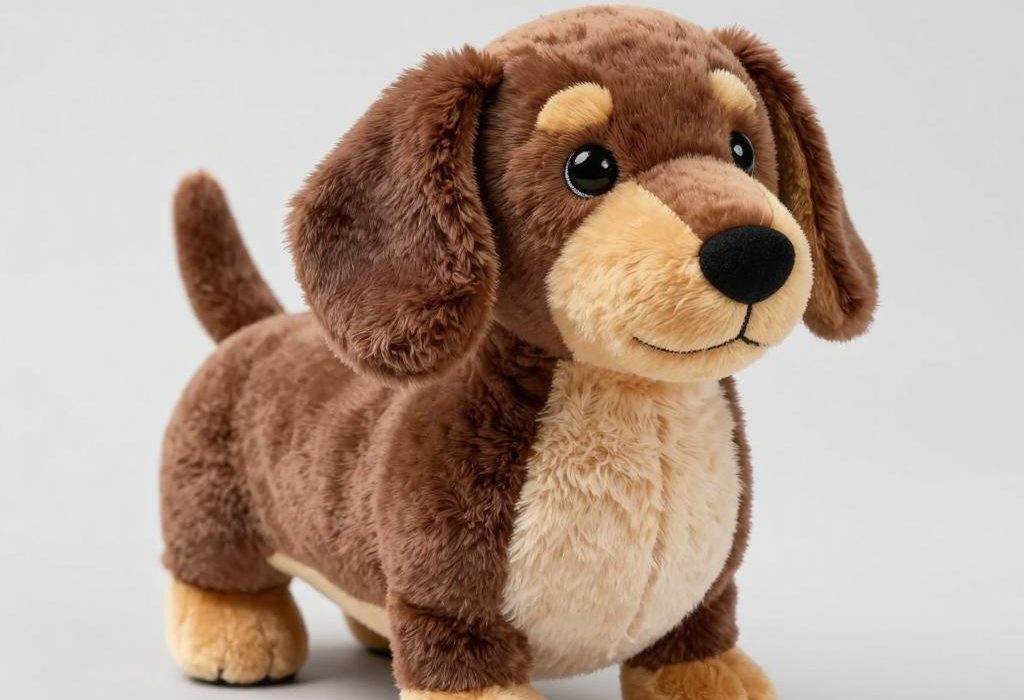
Sustainability is no longer a niche concern in the toy aisle — it is a deciding factor for a growing number of parents and gift-buyers. Organic cotton stuffed animals sit at the heart of this shift, combining the comfort of classic plush with the reassurance of environmentally responsible materials. For retailers and wholesalers, offering organic options is a way to meet demand, build trust, and differentiate a range in a crowded market.
What Makes Plush “Organic”?
An organic cotton stuffed animal is made from cotton grown without synthetic pesticides, fertilizers, or genetically modified seeds, following practices that protect soil, water, and farmers. The credibility of “organic” depends on certification. GOTS (Global Organic Textile Standard) is the most recognized label, covering the entire supply chain from harvest to finished product, while OEKO-TEX certification confirms the textile is free from harmful substances. When a plush toy carries these marks, customers know the materials meet rigorous environmental and safety standards.
Organic plush is not just about the fabric. Truly eco-friendly stuffed animals also consider the filling and packaging. Look for toys filled with recycled PET fiber, which keeps plastic bottles out of landfills, and packaged in recycled or biodegradable materials. Choosing certified organic and recycled options lets you claim an honest sustainability story rather than relying on vague green branding.
The Benefits Beyond the Environment
Organic cotton plush offers real advantages for the end user, not just the planet. Organic cotton is soft, breathable, and gentle on sensitive skin, making it a favorite for nurseries and children with allergies or eczema. Because it is free from harsh chemical finishes, it feels more natural against the skin and gives parents confidence that the toy their child holds is free from unwanted residues. For many shoppers, that peace of mind is worth the slightly higher price.
Sustainability also sells. Eco-conscious parents actively seek out products that align with their values, and they are willing to pay a premium for verified organic options. For retailers, this means organic plush supports higher price points and strong brand loyalty. A well-stocked organic range signals that your store cares about quality and the planet, elevating the entire shopping experience.
How to Add Organic Plush to Your Range
Start by offering a small, curated set of certified organic favorites rather than trying to convert your whole assortment at once. Choose universally loved animals and simple shapes that are easy to wash and appeal across ages. Clearly display the GOTS or OEKO-TEX certification on tags and in product listings, because that proof is what converts a browsing shopper into a confident buyer. Pair organic pieces with recycled-fill options to give customers a broader eco-friendly choice.
Educate shoppers through signage and product descriptions that explain what makes the toy organic and why it matters. Storytelling matters: a plush made from organic cotton and recycled bottles has a compelling narrative that customers remember and share. That turn of story into sales is where eco-friendly plush truly shines.
If you are ready to bring certified organic comfort to your shelves, our Alpaca Fluffy plush offers a soft, natural companion that suits the eco-conscious customer, while the Panda Bear Bamboo adds a beloved character with a gentle, sustainable feel. Explore the materials and certifications across our full plush catalog and learn more about our sustainable manufacturing on our homepage. Choose organic, tell the story, and give your customers a plush they can feel good about.
 EN
EN  AR
AR  DE
DE  ES
ES  FR
FR  IT
IT  RU
RU  PL
PL  CS
CS  NL
NL  FI
FI  HU
HU
Leave a Message
Have questions about this article? Leave us a message and our team will get back to you.