Plush Toy Trends 2026: What’s Hot and Why
The plush toy industry is undergoing a fascinating transformation. What was once a category dominated by traditional teddy bears has exploded into a diverse landscape of artistic expression, cultural commentary, and lifestyle integration. As we move through 2026, several key trends are shaping what consumers want from their cuddly companions. From cute plush collections that double as social media content to hyper-realistic designs that blur the line between toy and art, here is what is defining the plush toy world this year.
Trend 1: Bold, Artistic Color Palettes
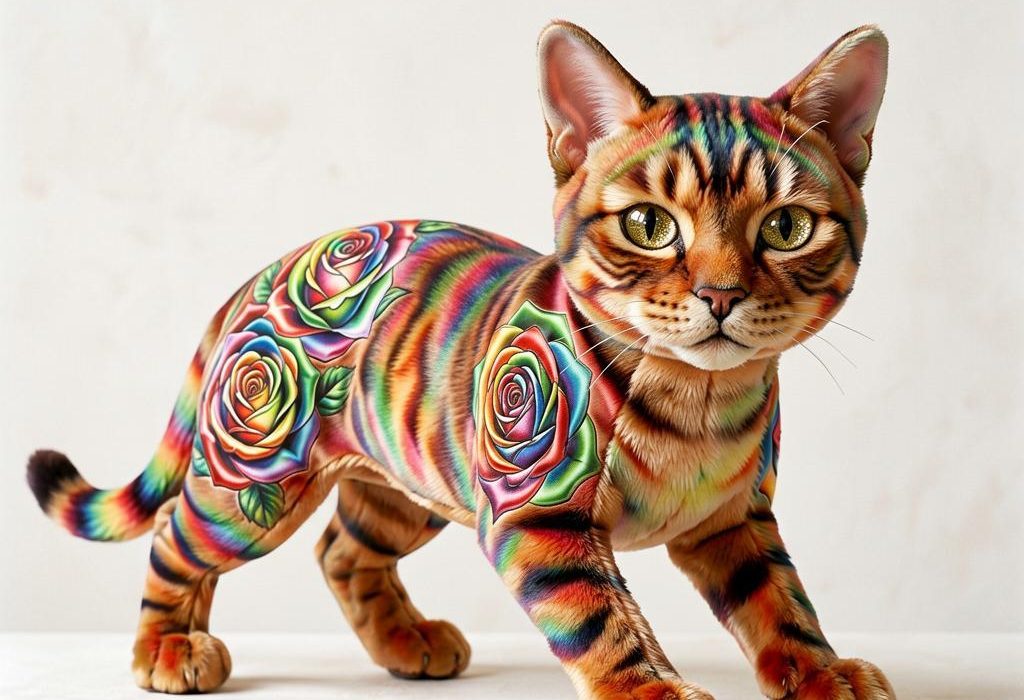
Gone are the days when plush toys only came in natural animal colors. 2026 has ushered in an era of大胆, imaginative colorways that turn stuffed animals into statement pieces. The Rainbow Bengal Cat collectible plush exemplifies this trend perfectly, with its gradient fur transitioning through vivid hues that make it instantly Instagram-worthy. These colorful creations are not just for children — they are purchased by design enthusiasts, content creators, and anyone who wants to add a pop of personality to their space.
The rise of bold colors reflects a broader cultural shift toward maximalism and self-expression. After years of minimalist, neutral-toned interiors, consumers are embracing joy, color, and playfulness in their surroundings — and plush toys are leading the charge.
Trend 2: Hyper-Realistic Wildlife Designs
While artistic colors are surging, so too is the opposite end of the spectrum: hyper-realistic plush animals that capture every detail of their living counterparts. Consumers are increasingly drawn to collectible plush toys that resemble actual wildlife with scientific accuracy. The Lynx Ears Tufted plush, with its precise facial markings and distinctive ear tufts, is a prime example of this trend. These realistic designs appeal to nature lovers, educators, and collectors who appreciate the craftsmanship involved in recreating an animal in plush form.
This trend is partly driven by the popularity of nature documentaries and wildlife content on streaming platforms. As people develop deeper connections with animals through screen time, they want tangible representations of those creatures in their homes.
Trend 3: Nostalgia-Driven Retro Revivals
2026 is seeing a powerful wave of nostalgia, with consumers seeking plush toys that evoke the warmth and simplicity of earlier decades. Vintage-style teddy bears, classic storybook characters, and retro animal designs are all experiencing renewed demand. This trend is fueled by millennials and Gen Z consumers who are reaching ages where they have disposable income and a desire to reconnect with childhood comforts. Manufacturers are responding by reissuing classic designs and creating new plush toys with deliberately vintage aesthetics — think traditional jointed limbs, old-fashioned ribbon bows, and heritage color palettes.
Trend 4: Plush as Lifestyle Decor
Plush toys are no longer confined to children’s bedrooms. In 2026, they have become legitimate lifestyle decor items, appearing on couches, beds, office desks, and even car interiors. The Fox Red Autumn plush, with its rich seasonal coloring, is designed to complement autumn-themed home decor. Consumers now coordinate their plush purchases with their interior design schemes, treating stuffed animals as textile art that adds texture, warmth, and personality to a room.
This trend has been accelerated by social media platforms where users share “cozy corner” setups, dorm room tours, and aesthetic desk arrangements — all featuring plush toys as key design elements.
Trend 5: Customization and Personalization
Mass-produced plush toys are being complemented by a growing demand for customized options. Consumers want plush toys that reflect their personal identity — whether that means a replica of their beloved pet, a character from their favorite indie game, or a corporate mascot for their brand. Custom plush toy manufacturers are seeing unprecedented demand from both individual consumers and businesses looking for unique promotional items. This trend toward personalization aligns with a broader consumer desire for products that feel uniquely theirs rather than generic.
Trend 6: Sustainability and Ethical Manufacturing
Environmentally conscious consumers are asking harder questions about where their plush toys come from and what they are made of. 2026 sees a significant rise in demand for plush toys made from recycled materials, organic fabrics, and produced in factories with fair labor practices. Certifications like BSCI (Business Social Compliance Initiative) are becoming important differentiators for eco-conscious buyers. Manufacturers who can demonstrate transparency in their supply chain and commitment to sustainable practices are winning market share.
What This Means for Buyers
The 2026 plush toy landscape offers more variety, quality, and creativity than ever before. Whether you are drawn to bold artistic designs, realistic wildlife, nostalgic classics, or custom creations, there has never been a better time to build your cute plush collection. The key is to buy from reputable manufacturers who combine trend-forward design with quality construction and safety compliance. As the industry continues to evolve, one thing remains constant: the universal comfort and joy that a well-made plush toy brings to people of all ages.
 CS
CS  EN
EN  AR
AR  DE
DE  ES
ES  FR
FR  IT
IT  RU
RU  PL
PL  NL
NL  FI
FI  HU
HU
Zanechte vzkaz
Máte dotazy k tomuto článku? Zanechte nám vzkaz a náš tým se vám ozve.