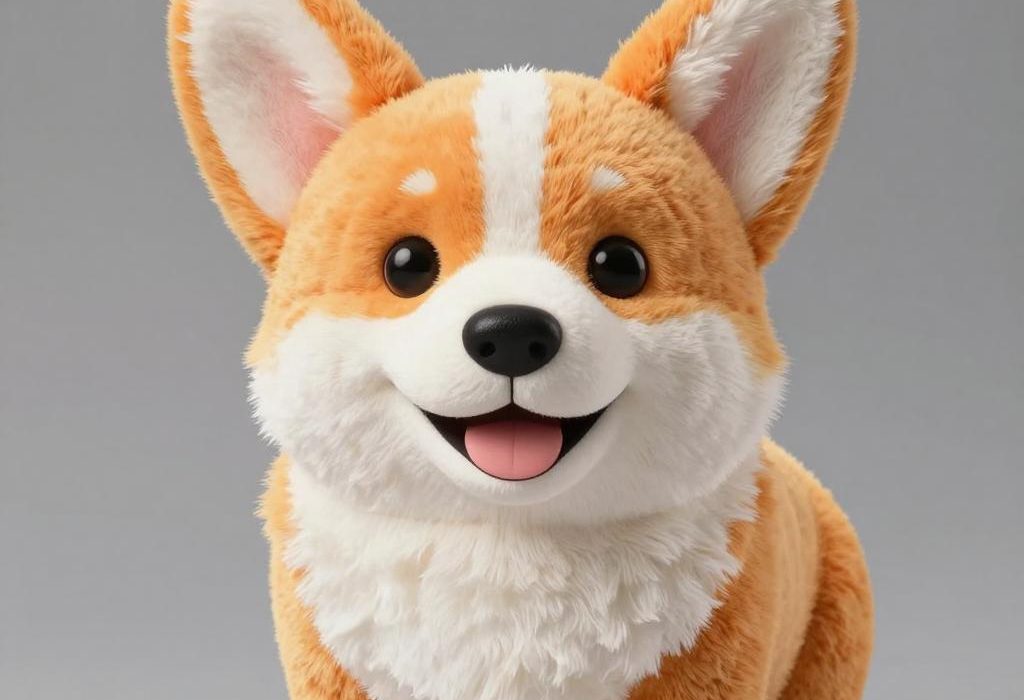
بيع الألعاب القطيفة التعليمية بالجملة: حيوانات محشوة في مجال العلوم والتكنولوجيا والهندسة والرياضيات (STEM) وألعاب تعليمية تفاعلية للمدارس
Ask a room of kindergarten teachers what disappears from the classroom fastest, and stuffed animals top the list. A cuddly toy does something a worksheet cannot: it becomes a character a child trusts, and once a child trusts a character, that character can teach. That simple truth is why schools and early-learning suppliers are turning to educational plush toys wholesale programs that combine softness with a genuinely useful lesson hidden inside.
Why Plush Belongs in the Modern Classroom
Young children learn through touch, repetition and play long before they learn through text. A plush toy built around a teaching idea, whether it is counting, colour recognition or simply naming feelings, gives a teacher a warm, reusable prop that survives daily handling far better than paper resources. Educational buyers, however, need more than a cute bear. They need washable fabrics, reinforced seams, non-toxic inks and stitching that outlasts a term of grabby hands.
The strongest programs keep a tight core of shapes and vary the lesson, so a school can standardise on one trusted مجموعة الألعاب المحشوة and still build out a full curriculum set without hunting for a new vendor every unit.
Designing STEM Concepts Into Soft Toys
The clever part of a STEM plush line is that the concept must survive the squeeze test. A number line stitched along a soft giraffe plush toy can teach counting and height comparison, while colour-coded companions turn sorting and matching into a game children choose to play again. For older early-learners, simple mechanical details, like a tie-on label with a labelling task or a removable part that snaps back, introduce cause and effect without a single screen.
This is a design partnership, not an off-the-shelf purchase. Buyers who work directly with an in-house factory team get to place the teaching goal first and the character second, then test a sample in a real classroom before committing to volume.
A Natural Fit for Sensory and Inclusive Learning
Soft toys also serve children who find written tasks difficult. A textured, gentle character can support calming routines, sensory regulation and vocabulary practice, which makes plush a quiet tool for inclusive classrooms. Choosing a plush companion such as a fluffy alpaca soft toy for its calming hand-feel shows how a single design decision can serve both a lesson and a child who needs comfort that day.
For schools, the practical case is straightforward: safe materials, washable finishes, dependable lead times and a supplier willing to prototype new concepts. Get those right and the stuffed animal stops being a reward for good behaviour and becomes part of how the lesson is taught.
الأسئلة الشائعة
Q: Are educational plush toys safe for young children to handle daily?
A: Look for child-safe fabrics, non-toxic inks, reinforced seams and washable finishes, plus relevant safety certification. Designed well, plush outlasts paper resources and stands up to constant classroom use.
Q: Can STEM concepts really be taught through a stuffed animal?
A: Yes, when the concept is built into the design, for example a stitched number line for counting or colour-coding for sorting games. The toy becomes the prop, and play does the teaching.
Q: Can schools order custom designs based on their own lesson plan?
A: Many can. Working with a factory that offers in-house design means buyers can place the learning goal first, prototype it, and trial a sample before ordering in volume.
 AR
AR  EN
EN  DE
DE  ES
ES  FR
FR  IT
IT  RU
RU  PL
PL  CS
CS  NL
NL  FI
FI  HU
HU
ترك رسالة
هل لديك أسئلة حول هذا المقال؟ اترك لنا رسالة وسيقوم فريقنا بالرد عليك.