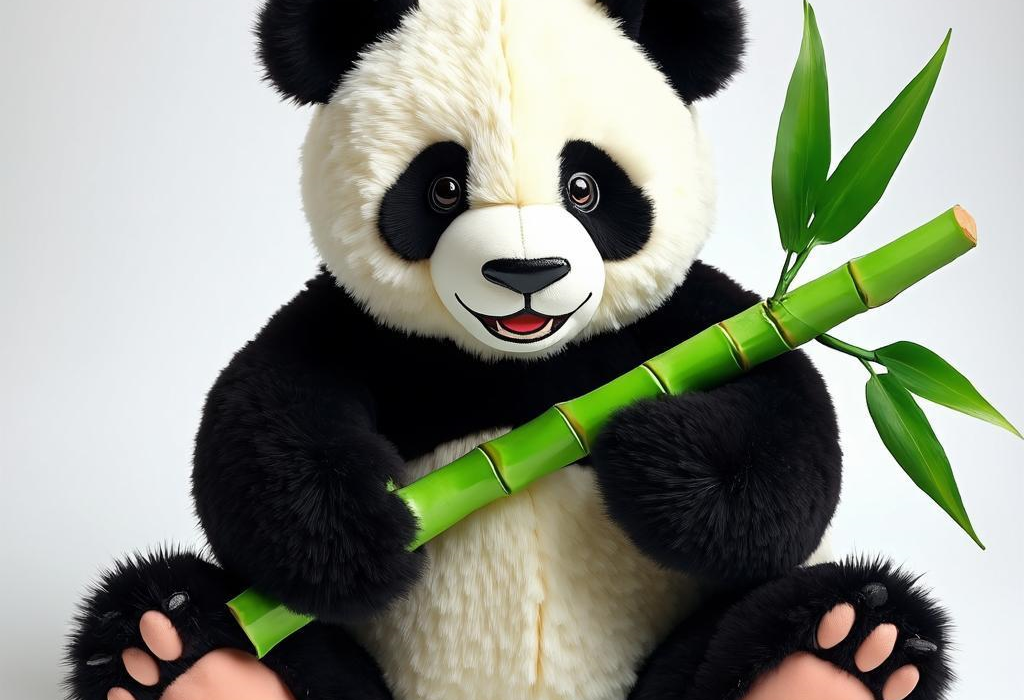
When a Teddy Bear Starts with a Seed: The Quiet Revolution in Sustainable Plush
There is a moment in every plush toy’s life that no customer ever sees. It happens on a factory table, long before the stitching is finished, when a handful of filling is weighed and poured into a waiting fabric shell. For decades, that filling was virgin polyester—cheap, consistent, and entirely disconnected from the natural world the toy was designed to evoke. Today, a growing number of wholesale buyers are rewriting that moment. They are choosing organic cotton shells, recycled PET fillings, and biodegradable packaging, and in doing so they are discovering that a stuffed animal can be kind to children and kind to the planet at the same time.
The Fabric Tells the First Story
Walk into a showroom stocked with conventional plush and you will feel it immediately—the soft, uniform pile of synthetic velour, engineered for hand-feel and nothing else. Now pick up an organikus pamutból készült plüssállatok piece, and the difference is subtle but unmistakable. The fabric breathes. It carries a gentle, matte texture that softens further with every wash, the way a well-loved cotton shirt does. GOTS-certified organic cotton is grown without synthetic pesticides or genetically modified seeds, and every step—from ginning to spinning to dyeing—is audited for environmental and social responsibility. For brands that market to eco-conscious parents, that certification is not a line on a spec sheet; it is the opening sentence of a product story that customers want to share.
From Plastic Bottle to Plush Belly
The most surprising ingredient in modern sustainable plush might be the filling. Recycled PET fiber, produced by melting down post-consumer plastic bottles and spinning them into a fluffy, resilient polyester fill, has reached a quality threshold that makes it virtually indistinguishable from virgin material in both loft and durability. A single 16-ounce plastic bottle yields enough fiber to stuff a medium-sized teddy bear. Multiply that across a 10,000-unit wholesale order, and the math becomes a marketing story worth telling: your plush collection kept 10,000 bottles out of oceans and landfills. Forward-thinking sustainable plush toy supplier partners now offer recycled PET filling as a standard option, often with no premium over virgin polyester at scale, and some are experimenting with even more innovative materials—recycled ocean-bound plastic, plant-based biopolymer fibers, and natural kapok for premium lines.
Beyond the Toy: Packaging and the Full Lifecycle
A truly eco-friendly plush does not stop at the product itself. Conventional wholesale plush arrives at distribution centers wrapped in individual poly bags, packed into corrugated cartons, and often sealed with plastic strapping—all of which becomes waste the moment the goods are received. Sustainable suppliers are replacing that chain with recycled-content poly bags, FSC-certified cartons, and paper-based void fill. Some go further, offering retail-ready packaging made from molded pulp or recycled cardboard, eliminating the need for separate retail packaging entirely. For buyers sourcing recycled fiber plush toys, asking about packaging is not an afterthought—it is where the second half of the environmental story lives.
Certifications That Mean Something
The sustainable plush space has its share of greenwashing, and discerning buyers know to look beyond marketing language. GOTS (Global Organic Textile Standard) certification for organic cotton fabrics is the gold standard, covering both ecological and social criteria throughout the supply chain. OEKO-TEX Standard 100 certifies that every component of a textile—thread, dye, filling—has been tested for harmful substances. REACH compliance ensures alignment with EU chemical regulations. For recycled materials, Global Recycled Standard (GRS) certification verifies both the recycled content and the social and environmental practices of its processing. A trustworthy eco-friendly plush toys wholesale partner will provide these certificates on request and welcome third-party factory audits, because transparency is the foundation of any genuine sustainability claim.
Why This Matters for Your Bottom Line
Sustainable plush is not merely a feel-good choice—it is a commercial one. NielsenIQ reports that products marketed as sustainable grow 2.5 times faster than conventional alternatives, and the toy category is no exception. Eco-conscious millennial and Gen Z parents, who now represent the largest segment of toy buyers, actively seek out products that align with their values and are willing to pay a modest premium for verified sustainability. At the wholesale level, the cost gap between conventional and sustainable plush has narrowed to single-digit percentages as recycled material supply chains mature, meaning brands can offer eco-friendly lines without sacrificing margin.
Every stuffed animal begins as an idea—a shape, a color, a character designed to be held and loved. The choice of what that toy is made from, and how it reaches the child who will love it, is part of that idea. For wholesale buyers ready to tell a richer, more responsible story with their plush collection, the materials are available, the certifications are verifiable, and the market is waiting.
 HU
HU  EN
EN  AR
AR  DE
DE  ES
ES  FR
FR  IT
IT  RU
RU  PL
PL  CS
CS  NL
NL  FI
FI
Üzenet hagyása
Kérdése van ezzel a cikkel kapcsolatban? Hagyjon üzenetet, és csapatunk visszahívja Önt.