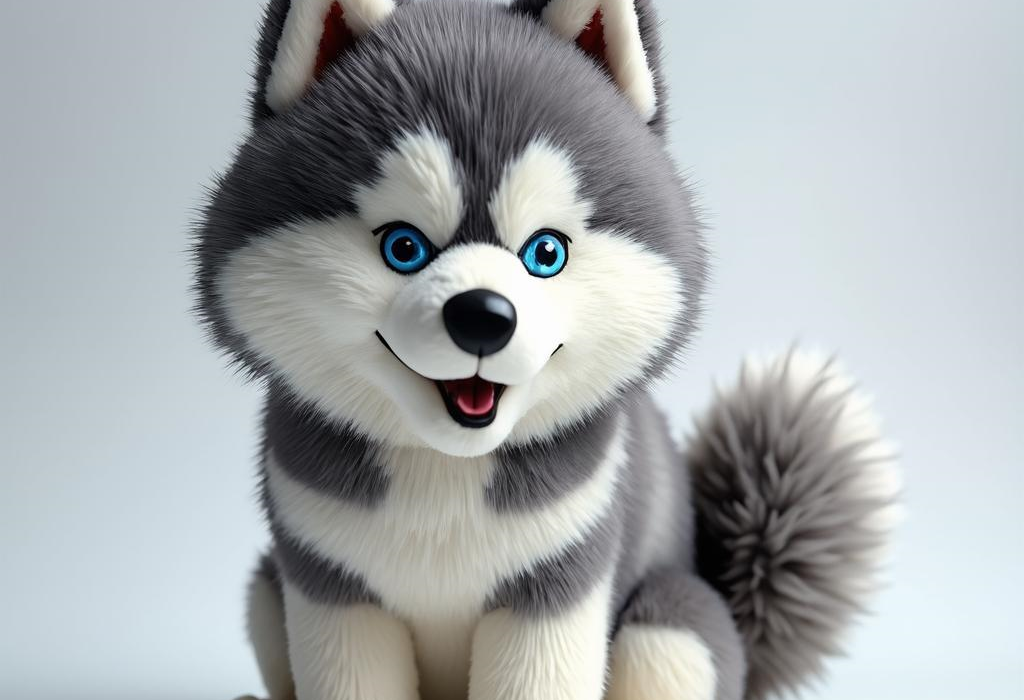
The Convergence of Cuddles and Code: Why Tech-Enabled Plush Is Reshaping OEM Manufacturing
The global plush toy market is undergoing a quiet transformation. What was once a category defined by stitching patterns and fabric grades is now a frontier for embedded electronics, voice recognition, and sensor-driven interactivity. For brands, retailers, and distributors sourcing from an AI interactive stuffed animals specialist, the shift represents both an opportunity and a procurement challenge: finding a manufacturer capable of merging soft-goods craftsmanship with reliable electronic integration.
Market Drivers Behind the Smart Plush Surge
Three forces are accelerating demand for tech-enabled plush. First, parents increasingly seek toys that combine screen-free engagement with educational value—a 2025 industry survey found that 68% of U.S. toy buyers prioritize “interactive or learning features” when purchasing gifts for children under eight. Second, the collectibles market has embraced electronic plush as a premium tier, with limited-edition sound-feature pieces commanding 40–60% higher retail margins than their non-electronic counterparts. Third, advances in miniaturized audio modules and low-power Bluetooth chips have made it economically viable to embed technology at scale, even in mid-price-point products.
What a Capable OEM Brings to the Table
Not every plush factory is equipped to produce tech-integrated toys. A qualified custom plush toy OEM manufacturer must demonstrate three core competencies. The first is electronic sourcing and quality control—securing certified sound modules, pressure sensors, and voice-recognition chips from audited component suppliers, and testing each unit for battery safety, volume compliance (ASTM F963 caps children’s toy audio at 85 decibels), and durability across thousands of activations. The second is design engineering that conceals hardware within plush form factors without compromising softness or washability, often requiring custom internal pouches, removable voice boxes, and reinforced stress points at speaker grilles. The third is regulatory navigation, since electronic plush falls under overlapping toy safety, battery, and electromagnetic compatibility standards across the EU, U.S., and Asia-Pacific markets.
Sound Feature Toys: The Entry Point for Most Brands
For buyers entering the smart plush category, sound feature toys are the natural starting point. These products—typically activated by a squeeze, tilt, or button—deliver pre-recorded phrases, melodies, animal calls, or white noise. A reputable sound feature plush toys supplier will offer modular audio solutions ranging from simple 5-second sound chips to multi-track modules with volume control and auto-shutoff. Crucially, the best OEMs treat the electronic component as a design partner rather than an afterthought: speaker placement is calibrated for acoustic clarity through plush fabric, battery compartments are child-resistant yet accessible for replacement, and activation points are positioned to align with natural play patterns.
AI Interactive Plush: The Next Frontier
Beyond pre-recorded sound, AI interactive plush represents the category’s cutting edge. These toys incorporate voice recognition, conversational response engines, and sometimes app connectivity to deliver adaptive, personalized play experiences. The manufacturing complexity rises significantly: AI plush requires on-device or cloud-linked processing, reliable microphone integration that filters ambient noise, firmware that can be updated post-purchase, and rigorous data-privacy compliance under COPPA and GDPR-K. For brands, partnering with an OEM stuffed animal factory that has already navigated these technical and regulatory hurdles reduces time-to-market by an estimated 3–4 months compared with building the capability in-house.
Procurement Recommendations for B2B Buyers
When evaluating tech-enabled plush OEMs, buyers should request: documented component supplier lists and certifications; sample units subjected to drop, compression, and battery-life testing; third-party test reports covering EN71, ASTM F963, CPSIA, and applicable electronic standards; and a clear intellectual-property framework covering custom sound files and firmware. Lead times for electronic plush typically run 35–50 days, 10–15 days longer than conventional plush, so buyers should plan accordingly for seasonal retail windows.
The plush toy aisle of the future will not choose between soft and smart—it will demand both. Manufacturers that can deliver cuddly, safe, and technologically competent products stand to capture the fastest-growing segment of the global toy market, and the brands that partner with them early will define the category.
 EN
EN  AR
AR  DE
DE  ES
ES  FR
FR  IT
IT  RU
RU  PL
PL  CS
CS  NL
NL  FI
FI  HU
HU
Leave a Message
Have questions about this article? Leave us a message and our team will get back to you.