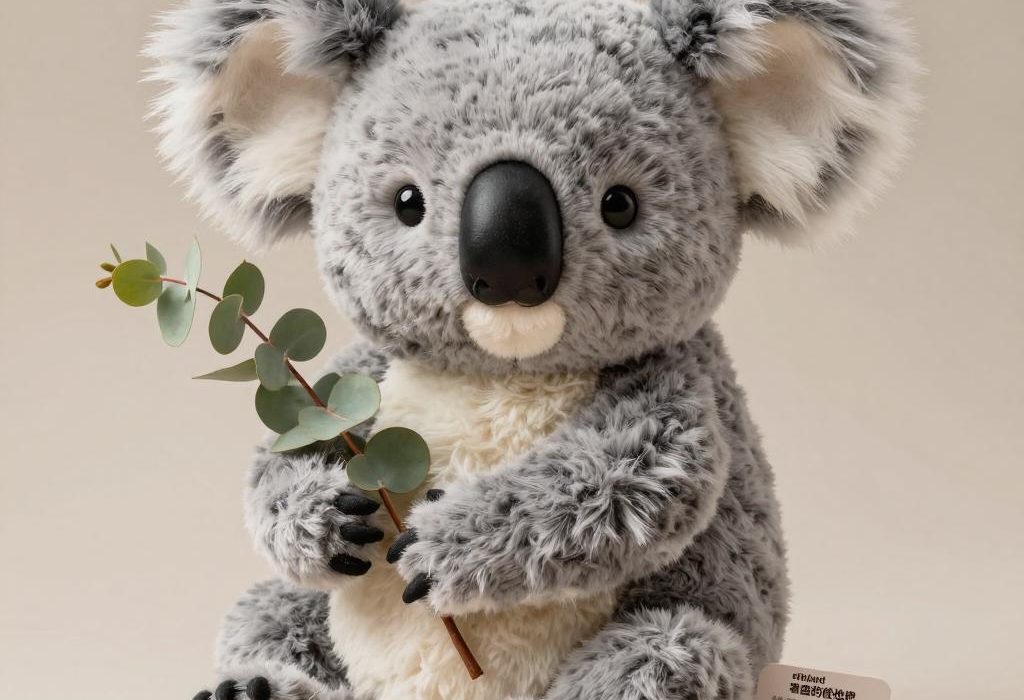
If you have browsed toy catalogs or walked through a gift shop lately, you have noticed two very different kinds of plush side by side. On one shelf sit the classic stuffed animals: firm, round, and traditional. On the next sit squishies: ultra-soft, slow-rising toys that collapse under gentle pressure and slowly bounce back. Both sell well, but they appeal to different customers and behave differently in a retail range. Understanding the differences is essential before you place a bulk order.
What Defines a Classic Stuffed Animal
A classic stuffed animal is what most people picture when they think of plush: a recognizable animal, stuffed generously with fiberfill, with structured limbs and a stable shape that can stand on a shelf. It is firm enough to hold its form, soft enough to hug, and built to last for years. Classic plush suits traditional gifting — birthdays, holidays, baby showers, and nursery decor. Because they hold their shape, they display beautifully and are easy for retailers to arrange in rows or themed collections.
What Makes a Squishy Different
Squishies, by contrast, prioritize texture and sensation over structure. They are made with extra-soft, low-density filling and often spandex or smooth plush covers, giving them a marshmallow-like feel. Press one and it slowly flattens; release it and it gradually regains its shape. This “slow-rise” quality is deeply satisfying and has made squishies a social-media star, appearing in countless unboxing and ASMR-style videos. Squishies appeal especially to teens, collectors, and adults who buy them for the tactile experience as much as for the character.
The two types also differ in how they are bought. Classic stuffed animals are often purchased as gifts and decorative items. Squishies are frequently bought for personal enjoyment, fidgeting, and display on desks and beds. That distinction matters for merchandising: classic plush belongs in gift and nursery sections, while squishies shine in teen, novelty, and impulse-purchase displays.
Pricing, Durability, and Freight Considerations
For bulk buyers, the practical differences show up in cost and logistics. Squishies are typically lighter and more compressible, which can mean lower shipping cubic weight — a real advantage when importing wholesale. However, their soft filling and delicate fabric mean they may not hold up to years of heavy play the way classic plush does. A squishy is often bought for how it feels today; a classic stuffed animal is bought to last.
Price points differ too. Squishies usually carry lower prices, making them easy impulse buys and high-volume sellers. Classic stuffed animals can support higher price points because of their durability and gift positioning. A smart wholesale range often includes both, letting you capture the impulse buyer with squishies and the gift buyer with classic pieces.
Building a Balanced Range
The winning approach is to treat squishy and classic plush as complementary, not competing, categories. Offer classic animals for gifting and decor, and add a line of squishies to attract younger shoppers and desk-toy collectors. Because both can share the same animal characters, you can even merchandise them together — a classic panda for the nursery and a squishy panda for the office.
If you are assembling your inventory, start with versatile, universally loved characters that work in both formats. Consider adding a Panda Bear Bamboo plush and a Corgi Happy plush to test which style your customers prefer. Compare materials, MOQs, and pricing across our full plush product catalog, and request samples before committing to bulk. For a deeper look at our manufacturing and quality standards, visit our homepage — a well-balanced plush range keeps shoppers interested and your shelves moving.
 EN
EN  AR
AR  DE
DE  ES
ES  FR
FR  IT
IT  RU
RU  PL
PL  CS
CS  NL
NL  FI
FI  HU
HU
Leave a Message
Have questions about this article? Leave us a message and our team will get back to you.