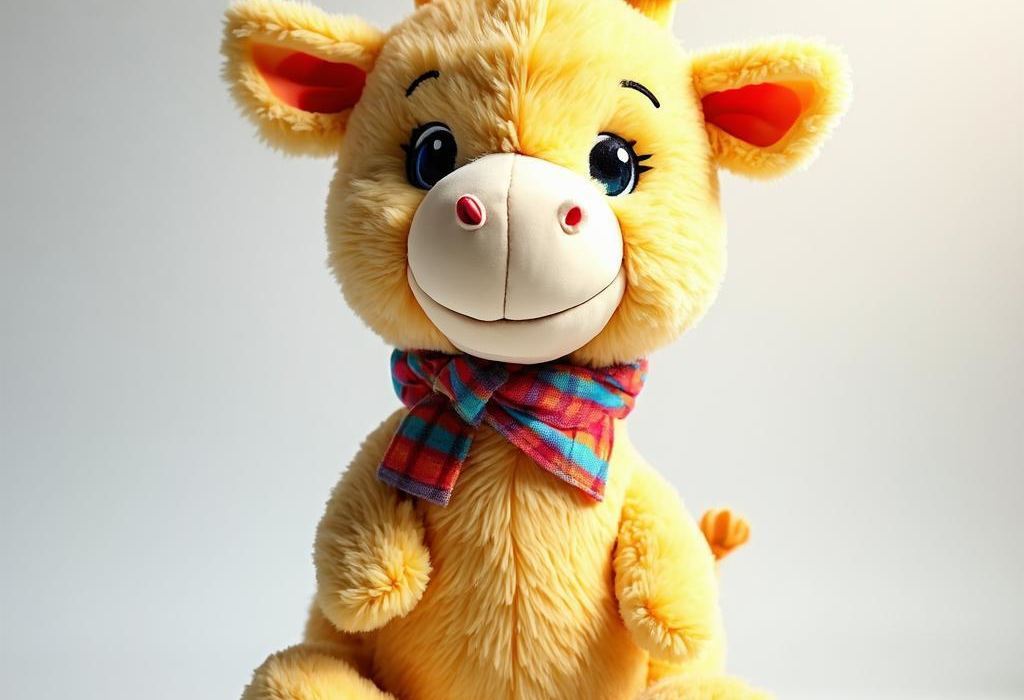
Custom bear plush manufacturing turns a simple sketch into a huggable product, and the process lives or dies by the pattern. The pattern dictates every seam, every panel shape, and ultimately how well the bear holds its shape and sits on a shelf. A professional pattern is built with seam allowances, notches, and grain-line markings so that every piece sews together cleanly at scale.
After the pattern comes material selection. Teddy bear fur density, pile height, and backing weight all change how the finished toy feels and how it photographs. A long-pile faux fur creates a plush, premium touch, while short-pile fabric suits more detailed, realistic designs. Your factory should recommend fabrics that balance cost with the tactile quality your customers expect from a classic honey bear.
Prototyping is the make-or-break stage. Order a full sample, check the proportions in person, and test the filling distribution by squeezing every limb. This is the moment to adjust the pattern for stubborn areas like the head, ears, and joints. Skipping thorough sampling leads to expensive rework in mass production, so treat the sample round as non-negotiable.
Once approved, the factory locks the pattern, finalizes CNC cutting files, and documents sewing and stuffing specifications. Ask for photographic records of each production stage so quality stays consistent batch after batch. For guidance on turning your bear concept into reality, review our product development showcase, and study the finishing of a cat plush or a fox plush as a reference for stitch quality.
Leave a Message
Have questions about this article? Leave us a message and our team will get back to you.